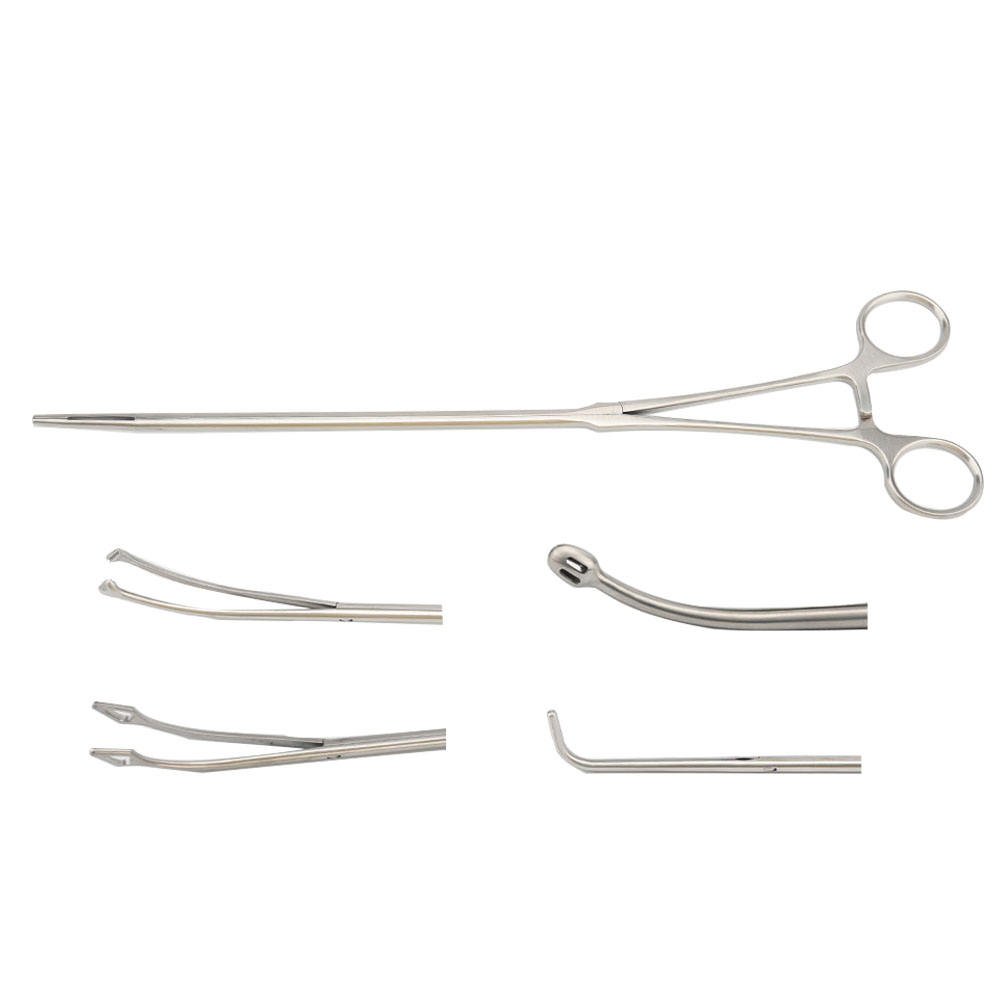
Not all stainless steel is created equal, and the grade used in a surgical instrument affects everything from corrosion resistance to how the instrument feels in a surgeon’s hand. “Surgical grade” and “medical grade” stainless steel aren’t official certifications — they’re industry shorthand for a handful of specific steel grades chosen for a balance of hardness, corrosion resistance, and the ability to survive hundreds of sterilization cycles. Here’s what those grades actually are and why they matter when you’re sourcing instruments.
What Is Surgical / Medical Grade Stainless Steel?
When people ask what surgical stainless steel is, they’re usually asking about one of two families: martensitic stainless steel (grades like 410, 420 and 440) and austenitic stainless steel (grades like 304 and 316L). Both are corrosion-resistant alloys of iron, chromium and carbon, but they behave very differently once heat-treated, which is why manufacturers pick one over the other depending on what the instrument needs to do.
| Steel Family | Common Grades | Key Property | Typical Instruments |
|---|---|---|---|
| Martensitic | 410, 420, 440 | Can be heat-treated to a precise hardness, holds a fine edge | Scissors, cutting and bone instruments |
| Austenitic | 304, 316L | Higher corrosion resistance, non-magnetic | Forceps, retractors, non-cutting instruments |
Martensitic Steel: For Cutting and Hardness
Martensitic grades are typically used where hardness matters, such as scissors, osteotomes, bone cutters and other cutting instruments, because they can be heat-treated to a precise hardness level (measured on the Rockwell C scale for most instrument steels). Higher hardness holds a sharper edge for longer, but it comes with a slight trade-off in corrosion resistance compared to austenitic grades.
Austenitic Steel: For Corrosion Resistance
Austenitic grades are more corrosion-resistant and are common in retractors, forceps and other non-cutting instruments that go through repeated autoclave sterilization cycles over years of use. Since these instruments don’t need to hold a cutting edge, manufacturers prioritize the steel’s resistance to pitting and staining instead.
Why Corrosion Resistance Matters for Sterilization
Corrosion resistance is worth asking about directly. Instruments that are autoclaved hundreds of times over their working life need a surface finish and steel composition that resists pitting and staining — a pitted surface isn’t just cosmetic, it becomes a place for bacteria to hide even after proper sterilization. A manufacturer should be able to explain what checks are done to verify corrosion resistance before instruments ship.
Surface Finish: Function, Not Just Appearance
Surface finish also affects both function and appearance. A properly polished instrument reduces the risk of tissue drag and makes cleaning easier between uses, while a rushed polish can leave micro-scratches that trap debris and eventually become the starting point for corrosion, even on a good steel grade.
Questions to Ask Your Manufacturer
When sourcing instruments for your own brand, ask your manufacturer directly which steel grade is used for each product category and what hardness or corrosion testing is performed at the factory. A supplier who can answer specifically — naming the actual grade, not a generic “surgical steel” response — is a reliable signal of a serious manufacturing operation rather than a reseller repeating a marketing phrase.
Frequently Asked Questions
What is surgical grade stainless steel?
It’s industry shorthand for corrosion-resistant steel grades (typically 410/420/440 martensitic or 304/316L austenitic) chosen for surgical instruments based on the hardness or corrosion resistance the instrument needs.
What is the difference between medical grade and surgical grade stainless steel?
In practice the terms are used interchangeably in the industry — both refer to the same family of corrosion-resistant, sterilization-durable steel grades rather than two distinct standards.
Why do scissors and forceps use different steel grades?
Scissors and other cutting instruments need martensitic steel for hardness and edge retention, while forceps and retractors prioritize the higher corrosion resistance of austenitic steel since they don’t need a cutting edge.
All ASONS SURGICAL instruments are manufactured in surgical-grade stainless steel at our Sialkot facility with in-house multi-stage inspection. WhatsApp Us